

FashionValet Fallout: Are GLICs Fit For Startup Investing?
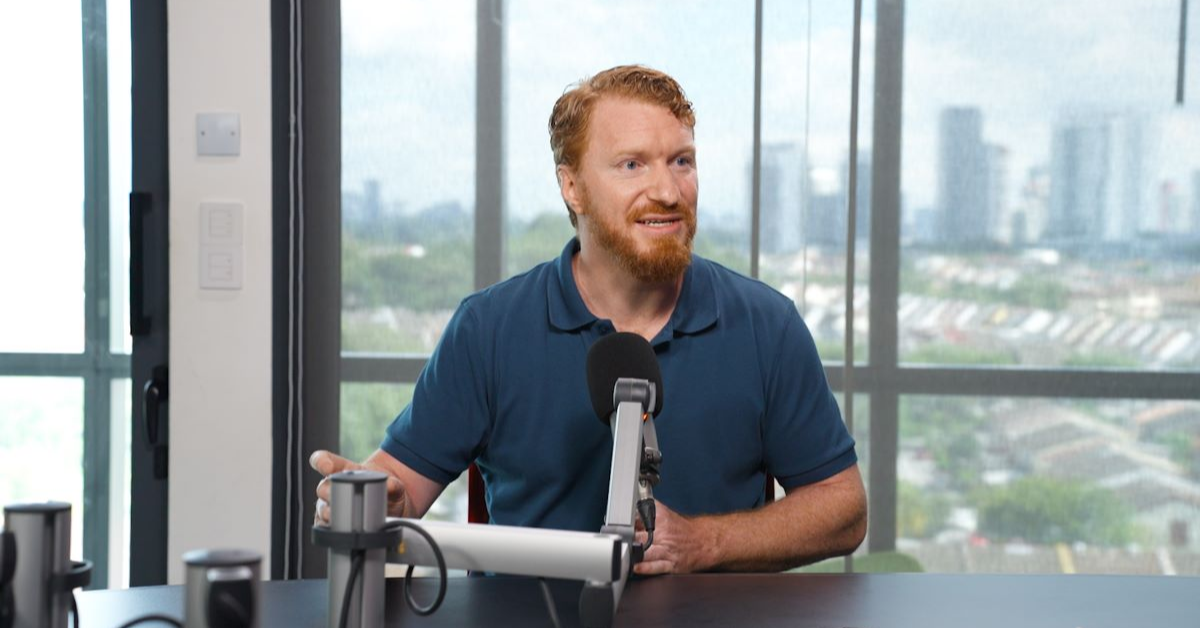
Kevin Brockland, Managing Partner, Indelible Ventures
11-Nov-24 12:00
Embed Podcast
You can share this podcast by copying this HTML to your clipboard and pasting into your blog or web page.
Close
Early-stage investing is inherently risky, with failure a natural part of the process, so was the public’s reaction to the Fashion Valet saga—a RM44 million loss for Khazanah and PNB — justified, or an overreaction? And what role should GLICs and other large institutions play in the venture capital and startup ecosystem? In this episode of Enterprise Explores, we unpack key lessons to learn from the Fashion Valet saga with Kevin Brockland, Managing Partner at Indelible Ventures.
We dive into the challenges, complexities, and strategic considerations for public funds in high-risk startup investing. Kevin also shares insights on the specialised skills needed for early-stage investing, the importance of transparency, and how processes like releasing investment memos and committee minutes may help restore public trust.
We also explore how Malaysia’s GLICs could more effectively support the startup ecosystem by leveraging private sector expertise and adopting successful fund-of-funds models through initiatives like Jelawang Capital.
Key insights from the interview include:
- Understanding Startup Risk: Why the high failure rate in early-stage investing demands specialised knowledge.
- Differentiating Failure Types: The importance of distinguishing between “failure of outcome” (expected risks in startups) and “failure of process” (investment missteps).
- Strategic Investment Approaches for GLICs: Why public institutions may be better suited to supporting startups via grants or fund-of-funds models rather than direct investments.
- GLICs’ Role in Innovation: How Malaysia’s GLICs can enhance innovation by partnering with private sector experts and specialised fund managers.
- Advantages of the Fund-of-Funds Model: How Fund-of-Funds Model, like Khazanah’s Jelawang Capital, can strengthen the startup ecosystem by drawing on private expertise.
- Setting Public Expectations: Communicating the realities of high-risk investments to the public, especially regarding the inherent risks of loss-making and reinvestment for growth.
Produced by: Carol Wong, Roshan Kanesan
Presented by: Roshan Kanesan
This and more than 60,000 other podcasts in your hand. Download the all new BFM mobile app.
Categories: markets, managing, economy, controversies, investments
Tags: FashionValet, high risk investments, glics, khazanah nasional, pnb, startup ecosystem, venture capital,
